Framing Contractor Services Done Fast, Safe, and Right

Construction worker carrying a wooden wall frame on a residential building site

Before the drywall goes up, before the paint colors are picked, and long before the floors get that final shine — there’s one step that makes everything else possible: framing. This is where your home really begins to take shape. Framing isn’t just a technical phase in the construction process — it’s the skeletal system of your house. It holds everything up. It determines how sturdy your walls are, how level your floors stay, and how long your home will last. Whether you’re building from scratch, adding a new room, or just curious about how homes come together, understanding framing is a must. Because behind every solid home is a skilled framing contractor who made sure every beam, joist, and stud was in the right place.

In this guide, we’re diving into the world of framing contractors — who they are, what they do, how they work, and why their role is absolutely crucial in any building project. Let’s break it down in a way that actually makes sense — no builder jargon, just real talk.

🛠️ What Is a Framing Contractor?

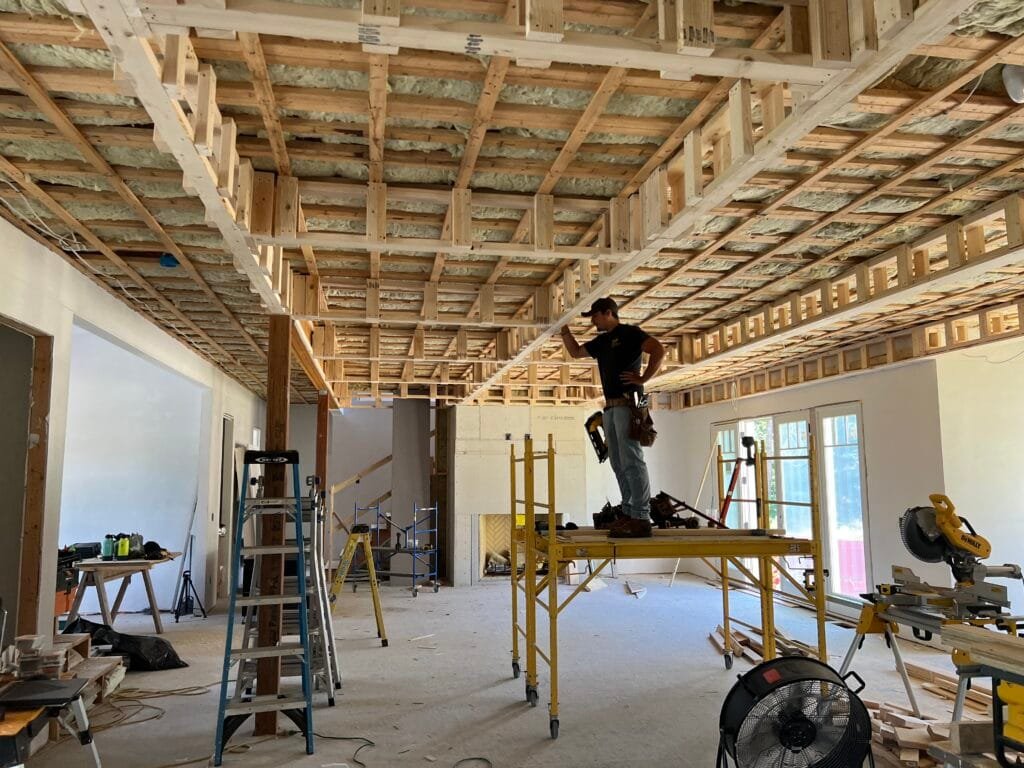
Think of a framing contractor as the person who gives your home its bones. Before anything looks pretty, they make sure everything stands strong.

These are the pros responsible for building the skeleton of your house — the frame that supports the walls, roof, and floors. They don’t just wing it either. Every cut, angle, and nail follows a precise architectural plan.

Here’s what framing contractors typically install:

  • Floor joists – to support your floors and distribute weight evenly
  • Wall studs – vertical pieces that shape your interior and exterior walls
  • Sill plates – horizontal beams that anchor the house to the foundation
  • Top plates – uppermost parts of wall frames that connect to the roof
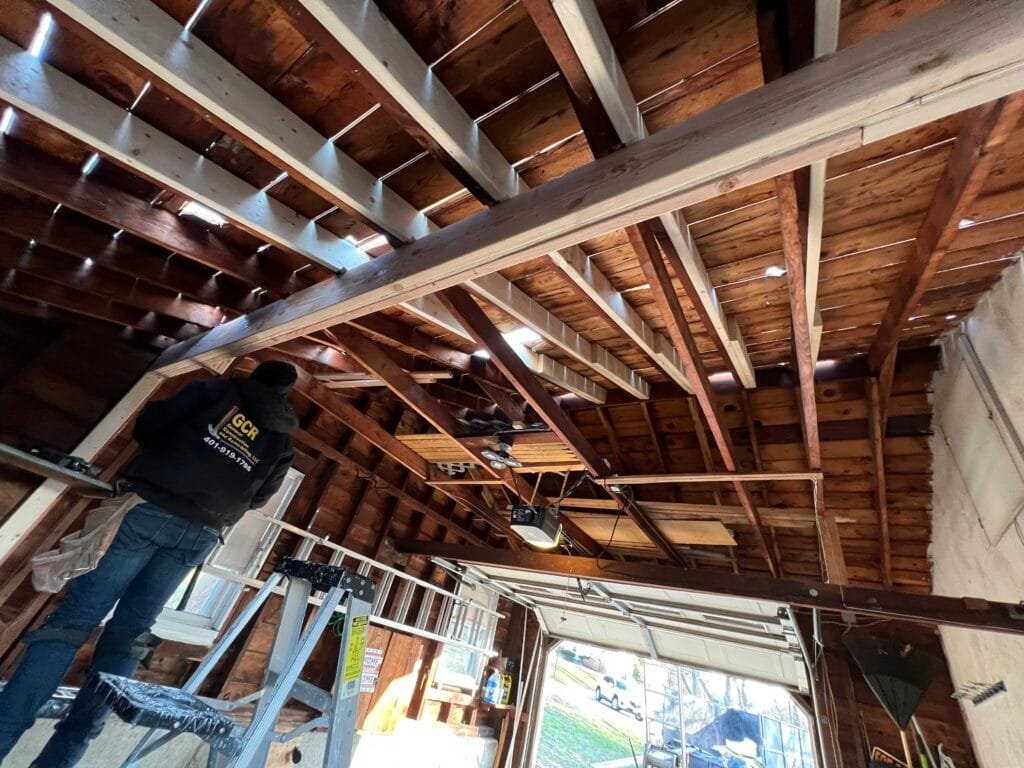
  • Ceiling joists – to hold up your ceiling and roof structure

They’re not just builders — they’re structural problem-solvers. Every detail matters. Because if the frame is off by even a little, everything else that comes later (drywall, doors, windows) could be a headache.

👉 Planning a build or remodel? Talk to expert general contractors who manage framing and the whole construction process, from start to stunning finish.

What Do Framers Actually Do?

Interior wood framing of a house under construction with staircase structure.

Credit: contractorsischool.com

House framers or framers don’t just hammer nails — they engineer the very structure that will later hold insulation, drywall, and roofing.

Here’s what a typical day for a framer looks like:

  • Reading blueprints
  • Installing sill plates on the foundation
  • Laying down floor joists and subflooring
  • Erecting load-bearing walls and exterior walls
  • Building in spaces for doors and windows
  • Installing ceiling joists and roof trusses
  • Ensuring structural support for multi-level designs

This isn’t just carpentry. It’s structural engineering in motion.

Residential Framing Contractors vs General Contractors

While general contractors oversee entire construction projects, residential framing contractors focus solely on the framing phase. They often work under the GC’s supervision but bring their own crew, tools, and methods.

You’ll want a framer who:

  • Specializes in residential homes
  • Understands different framing types (like platform framing and balloon framing)
  • Works efficiently to stay on schedule
  • Communicates closely with electricians and plumbers

🎯 Tip: Many reputable residential construction contractors offer both framing and full-build services, making the process seamless.

Framing Methods 101: What’s Holding Your House Together?

Construction workers framing a house, using power tools to secure wooden studs on a building site

Credit: berryhomecenter.com

Not all framing is done the same way — and the method used can affect everything from your home’s layout to its long-term strength and even cost. Whether you’re building new or just love knowing how things work, here are the four most common framing methods explained in simple, real-world terms:

1. Platform Framing (a.k.a. the go-to choice for homes today)

If you live in a house built in the last few decades, chances are it was framed using the platform method. Here’s how it works:

  • The first floor is framed and completed first (floor joists, walls, everything).
  • Then the second floor is built on top of that “platform.”
  • This method creates a stable base for framers to stand and work on as they go up.

✅ Why it’s popular: It’s safer for workers, energy-efficient, and great for multi-story homes.

2. Balloon Framing (old-school and kind of risky)

Balloon framing was all the rage back in the 1800s and early 1900s, especially in taller homes and narrow buildings. It’s still used occasionally — but with caution.

  • Long vertical studs run from the foundation all the way up to the roofline — no breaks in between.
  • The floors are then attached to these long studs.

🚨 Why it’s less common now: It’s a fire hazard. In a balloon-framed house, fire can race up the walls with no floors to stop it. It also requires long (and expensive) lumber that’s harder to source.

3. Timber Framing (for the old-soul dreamers)

Timber framing is what you see in those gorgeous barn homes or storybook cottages.

  • Uses huge wooden beams and old-school joinery methods like mortise-and-tenon joints, wooden pegs, and hand carving.
  • No nails or metal brackets — it’s all wood and craftsmanship.

❤️ Why people love it: It’s strong, timeless, and seriously beautiful. But it does come with a higher price tag due to the materials and labor involved.

4. Steel Framing (modern, clean, and built to last)

Steel framing isn’t just for skyscrapers anymore. More and more modern homes and commercial buildings are using it.

  • Instead of wood, framers use cold-formed steel studs and tracks.
  • These are light, strong, and straight — no warping, no termites.

⚙️ Why it’s a smart choice: Steel is fire-resistant, moisture-resistant, and durable. But it does require a framing crew with specialized tools and training.

Still unsure which method is right for your build? A professional construction consultant can walk you through the pros, cons, and costs based on your home’s design, location, and budget.

Why Proper Framing Matters?

Construction workers framing a house, using power tools to secure wooden studs on a building site.

Credit: architecturecourses.org

A bad paint job is cosmetic. But bad framing? That’s structural failure waiting to happen.

Here’s what proper framing ensures:

  • Safety: It supports your entire roof and floors.
  • Stability: Reduces shifting, creaking, and settling.
  • Efficiency: Allows for accurate installation of insulation, drywall, and plumbing.
  • Longevity: Protects your investment for decades.

Well, folks if you’re looking for help with proper framing? Explore residential and commercial construction services in your area.

Framing for Doors and Windows

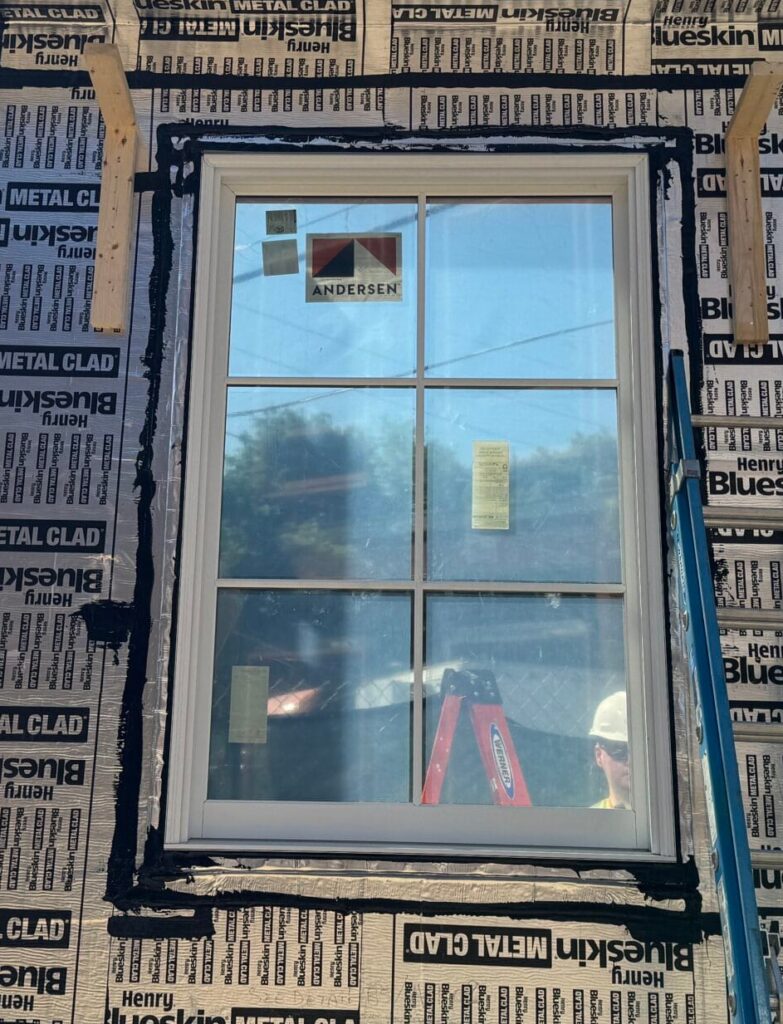
Framing around doors and windows is its own art form. Framers must calculate:

  • Load distribution above openings
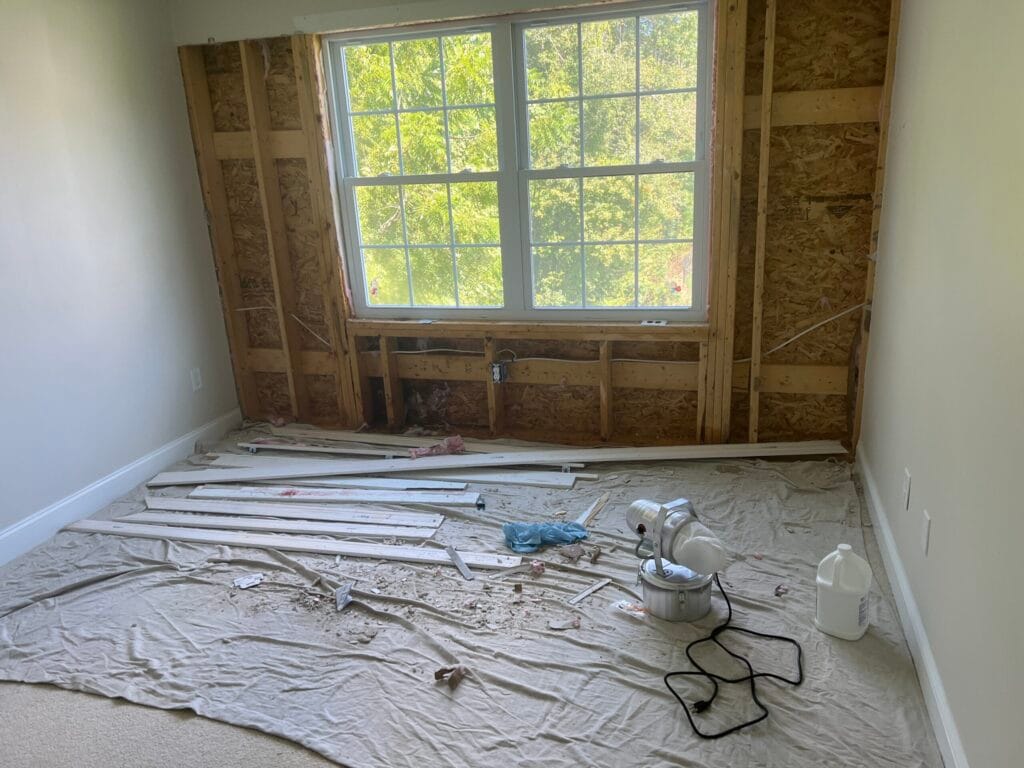
  • Space for headers, sills, and cripples
  • Square and level alignment

Mistakes here can cause sticky doors or windows that won’t shut — or worse, compromise structural integrity.

Load-Bearing vs Non-Load-Bearing Walls

Load-bearing walls carry the weight of the floors and roof above. Remove one without planning and the house might collapse. Framers identify and construct these with double top plates, extra studs, and proper bracing.

Non-load-bearing walls, on the other hand, divide interior spaces. They’re lighter, easier to modify, and often used for room layouts.

If you’re considering a home remodel, always consult construction consultants to assess wall types before making changes.

📐 Structural Framing in Complex Builds

Large builds need more than standard 2x4s. In complex or multi-story homes, structural framing contractors might use engineered beams, steel columns, and advanced load calculations to distribute weight evenly.

You’ll often see them involved in:

  • Open-concept floor plans
  • Cathedral ceilings
  • Second-story additions
  • Basement builds with steel framing

How Much Does Framing a House Cost?

Framing cost chart comparing home sizes with price per square foot.

Framing costs depend on:

  • Size of the home
  • Complexity of design
  • Type of materials (wood vs steel)
  • Regional labor rates

On average, framing a house can cost $7–$16 per square foot. A 2,000 sq. ft. home might run $14,000–$32,000 just for framing alone.

💬 Want a reliable estimate? A building consultant can break down framing costs based on your unique plans.

Framing Checklist for Homeowners

Planning to build soon? Here’s what to check before framing begins:

✅ Final blueprints approved
✅ Permit secured
✅ Foundation cured
✅ Materials on site
✅ Framing crew scheduled
✅ Weather forecast reviewed

Pro tip: Once framing starts, visit the site daily. Check how floor joists, load-bearing walls, and top plates are coming together.

🔎 Choosing the Right Framing Contractor

Home framing in progress with workers installing roof beams on a wooden house structure

Credit: framingcontractorsite.weebly.com

Your house framer sets the pace and quality of the entire construction project. Choose wisely. Here’s what to look for:

  • Experience in residential framing
  • Positive reviews and references
  • Knowledge of platform framing, balloon framing, and load-bearing wall placement
  • Team size and availability
  • Ability to read and execute architectural plans

Better yet, find a team that does more than framing — like full general contracting services, from permits to final inspections.

The Bottom Line 

Summing up, framing isn’t glamorous. It doesn’t get Instagram likes or magazine spreads. But without it? There’s no home — just an idea on paper.

This is where it all begins. It’s the moment your dream house starts to rise from the ground, beam by beam, wall by wall. Framing is the quiet hero of construction — strong, steady, and absolutely essential. When you choose the right framing contractors, you’re not just building walls — you’re building peace of mind. You’re saying yes to safety, quality, and a home that will stand the test of time.

So don’t rush it. Don’t settle for “good enough.” Build it right, from the bones up — because everything that comes after depends on the strength of what’s underneath.

Your future home deserves that kind of care.

FAQs 

Q: What’s the difference between a framer and a general contractor?

 A: A framer focuses on building the structure (walls, floors, roof), while a general contractor manages the entire construction process.

Q: Can I hire a framer directly for my home build?

 A: Yes, but it’s usually better to go through a general contractor who coordinates with framers, electricians, plumbers, etc.

Q: Is timber framing still used today?

 A: Yes, especially in custom homes or aesthetic-focused builds. But it’s pricier than standard platform framing.

Q: What does “structural framing” mean?

 A: It refers to the parts of the frame that carry loads — including beams, joists, and load-bearing walls.

Share It

Transform Your Home with Expert Craftsmanship!

New roof, energy-efficient window installation, or a stunning home makeover? We’ve got you covered! At General Construction and Remodeling, LLC, we turn houses into dream homes—with expert craftsmanship every step of the way.