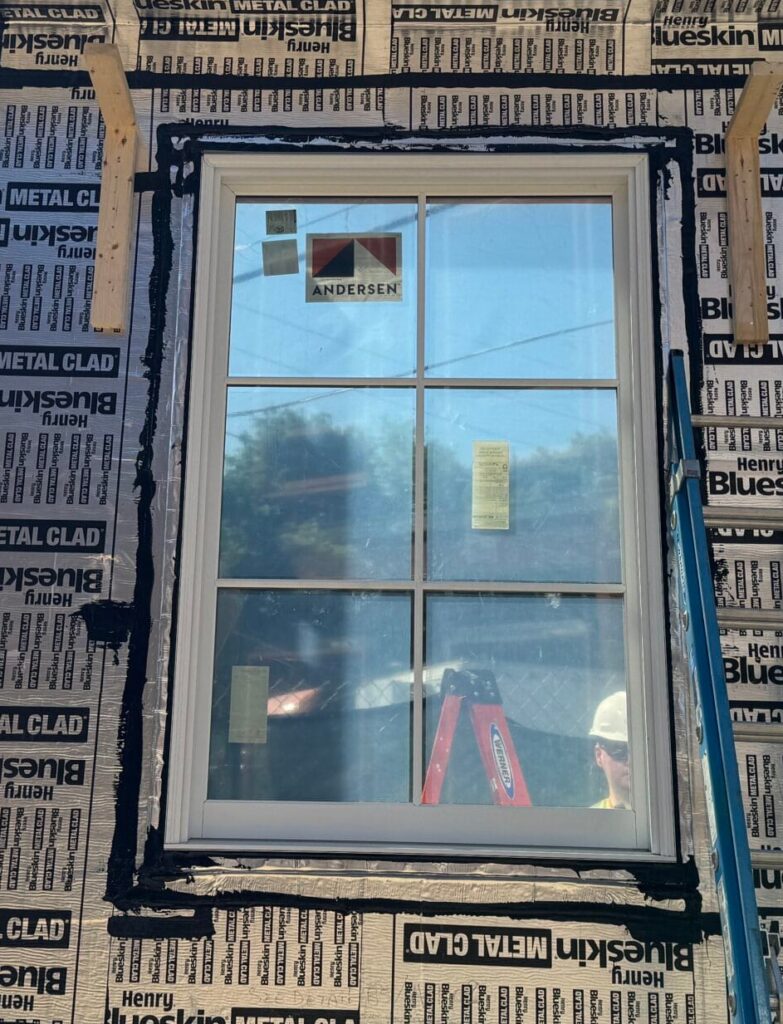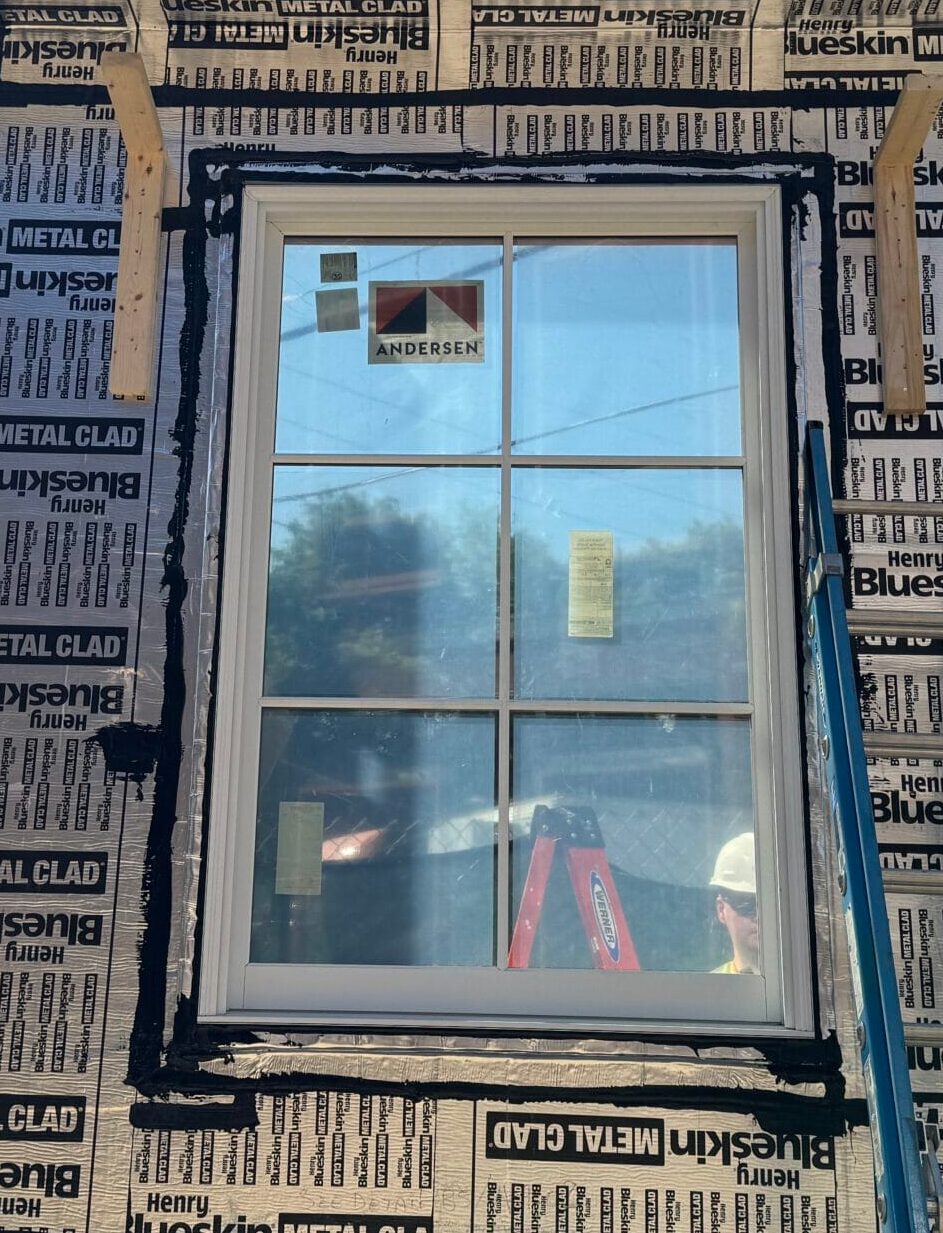
Energy efficient windows Rhode Island homeowners install today can significantly improve comfort, reduce heating and cooling costs, and improve long-term building envelope performance compared to older window systems that often allow air leakage and heat loss. Older windows often allow air leakage, conductive heat loss, and moisture intrusion that can increase energy demand and reduce interior comfort. Modern replacement windows are designed with improved thermal performance characteristics that help reduce drafts, limit uncontrolled air movement, and improve overall building envelope efficiency.
How Older Windows Lose Energy
Many older windows were manufactured with minimal air sealing components, single-pane glass, or early double-pane insulated glazing units that lack modern low-emissivity coatings. Over time, weatherstripping materials deteriorate, and frame components may warp or loosen, allowing uncontrolled air infiltration around operable sash components and perimeter joints.
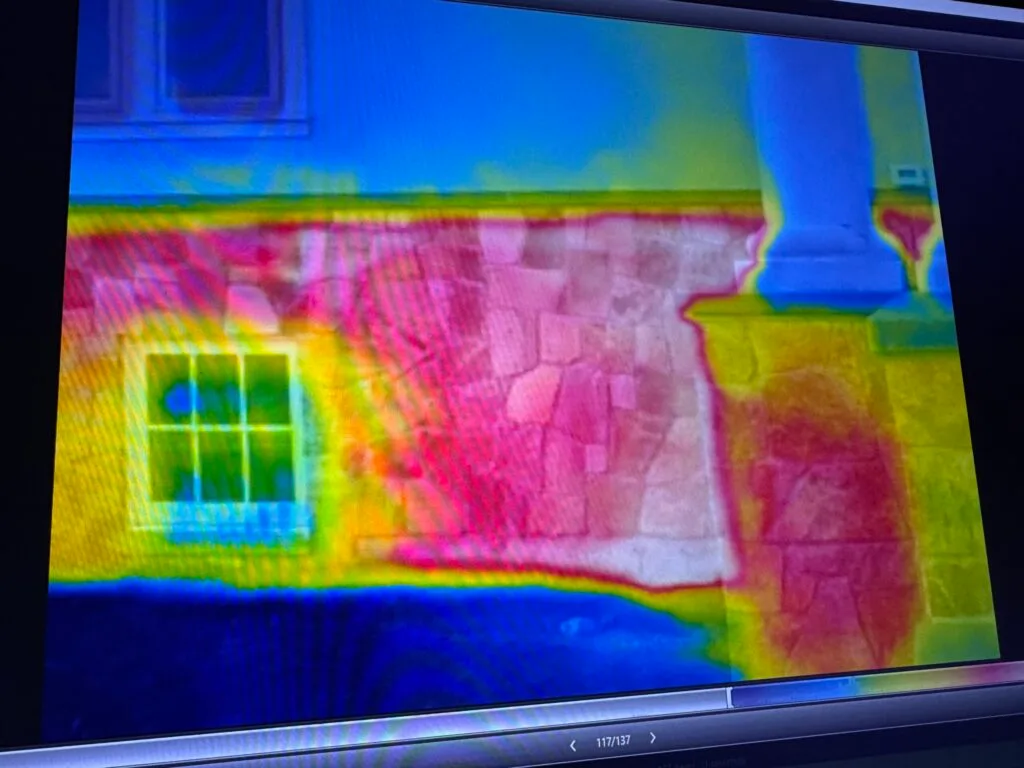
Air leakage is one of the primary causes of reduced thermal comfort near window openings. Cold air infiltration during winter months and heat gain during summer months can increase HVAC system demand and contribute to inconsistent interior temperatures.
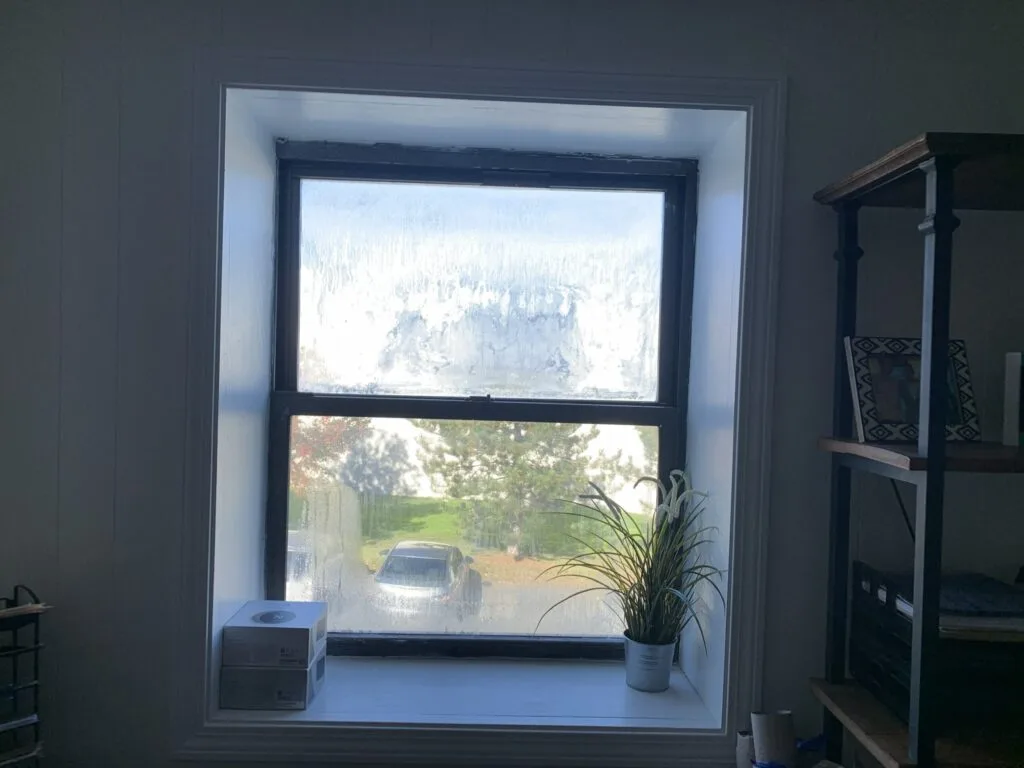
Older wood windows may also experience glazing seal failure, condensation between panes, and deterioration of perimeter sealants. These deficiencies can allow moisture intrusion and reduce the insulation performance of the wall assembly surrounding the window.
Energy Performance Improvements in Modern Windows
Modern replacement windows incorporate multiple design improvements that help reduce energy loss and improve interior comfort. These improvements may include low-E glass coatings, argon gas-filled insulated glazing units, improved spacer systems, advanced weatherstripping components, and thermally improved frame materials.
Low-emissivity coatings help reflect heat energy back toward the interior during winter months and reduce solar heat gain during summer conditions. Argon gas-filled glazing units reduce conductive heat transfer between interior and exterior surfaces.
Improved frame design and welded vinyl extrusion construction help reduce air leakage pathways and improve long-term durability of the window assembly.
Air Leakage and Draft Reduction
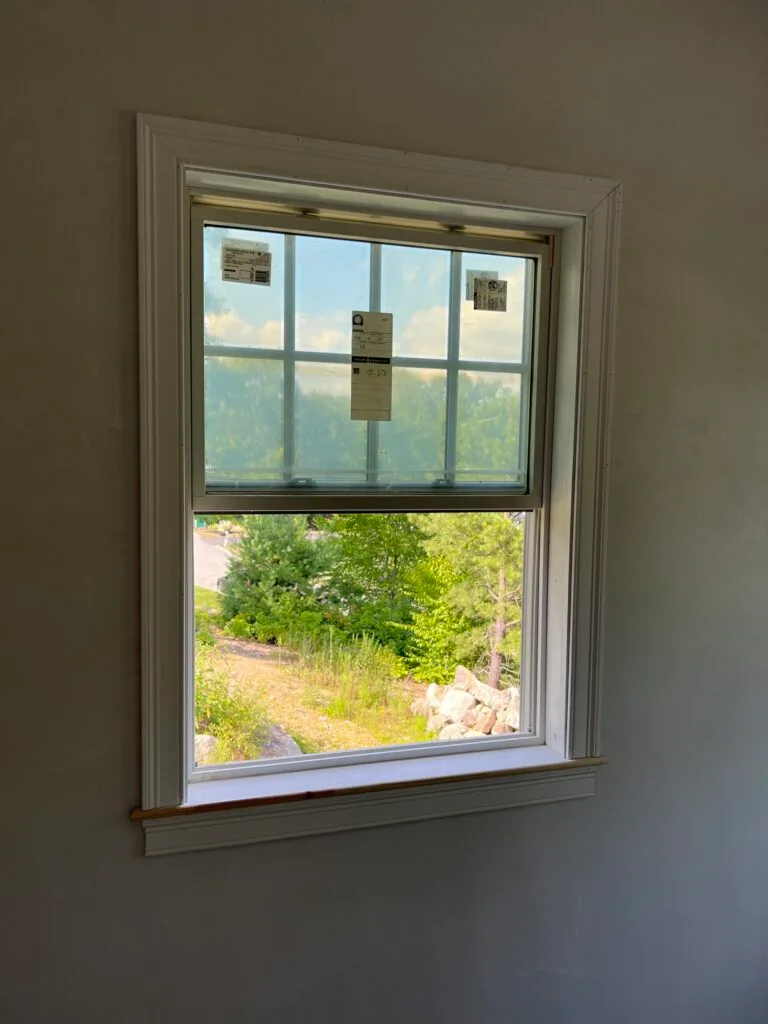
One of the most noticeable differences between old and new windows is a reduction in air infiltration. Drafts commonly occur when aging weatherstripping materials degrade or when frame components no longer maintain proper compression at contact surfaces.
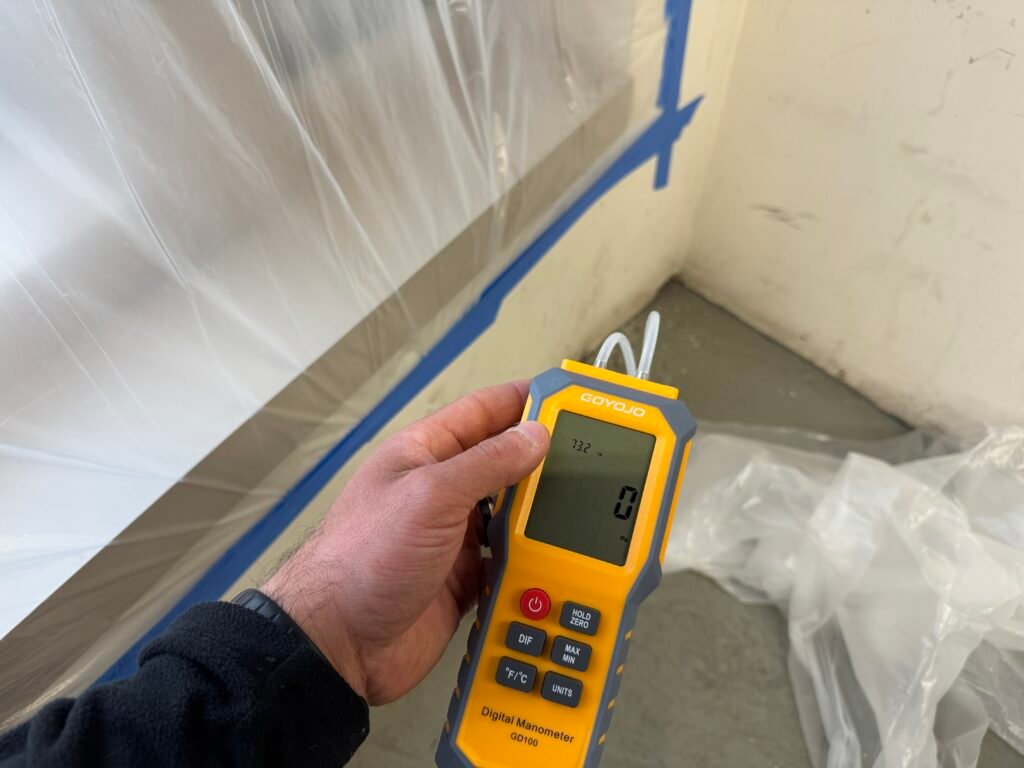
Modern replacement windows are tested for air infiltration performance ratings that help quantify resistance to uncontrolled air movement. Reduced air leakage can improve interior comfort and reduce heating demand during cold-weather periods common in Rhode Island’s climate zone 5.
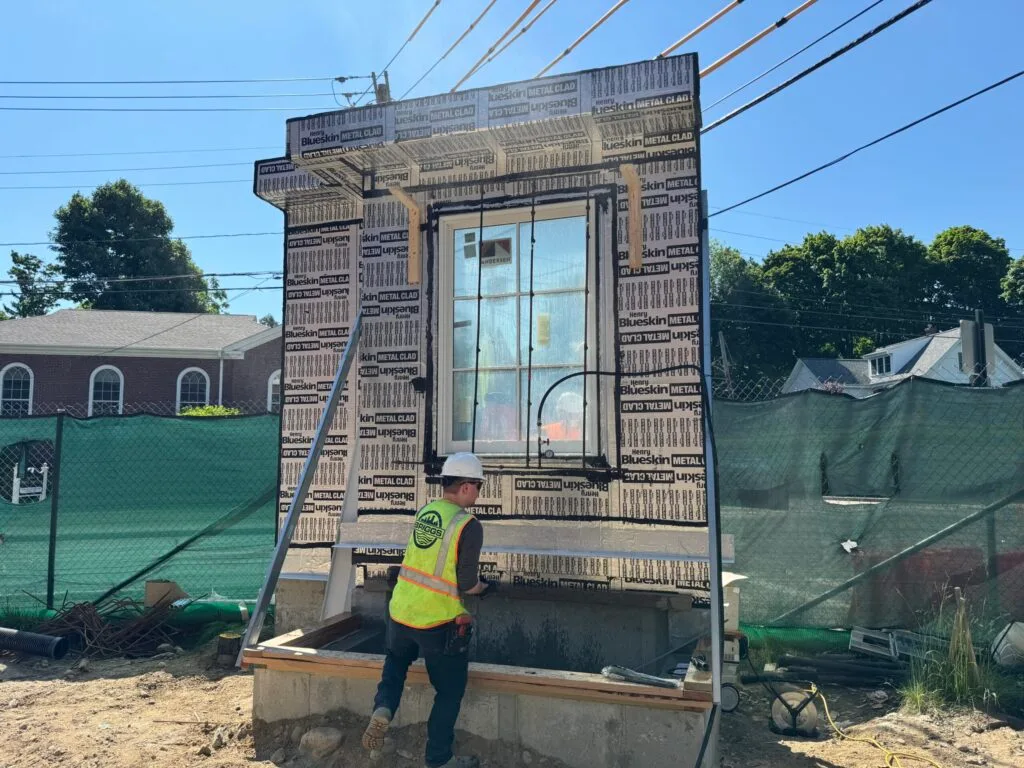
Proper installation methods remain critical, as even high-quality windows can underperform if flashing integration and air sealing continuity are not properly addressed at the rough opening interface.
Energy Performance Improvements in Modern Windows
Modern replacement windows incorporate multiple design improvements that help reduce energy loss and improve interior comfort. These improvements may include low-E glass coatings, argon gas-filled insulated glazing units, improved spacer systems, advanced weatherstripping components, and thermally improved frame materials.
Low-emissivity coatings help reflect heat energy back toward the interior during winter months and reduce solar heat gain during summer conditions. Argon gas-filled glazing units reduce conductive heat transfer between interior and exterior surfaces.
Improved frame design and welded vinyl extrusion construction help reduce air leakage pathways and improve long-term durability of the window assembly.
Conclusion
New vs old windows can demonstrate significant differences in energy efficiency, interior comfort, and long-term durability of the surrounding building materials. Older window systems often allow increased air leakage, reduced insulation performance, and greater potential for condensation due to outdated glazing technology and degraded weatherstripping components. These conditions can contribute to higher heating and cooling demand, uncomfortable drafts, and gradual deterioration of adjacent materials within the wall assembly.
Modern replacement windows are designed with improved thermal performance characteristics, including low-E glass coatings, argon gas-filled insulated glazing units, improved frame construction, and more effective air sealing components. These advancements help reduce conductive heat transfer, limit uncontrolled air movement, and improve overall building envelope performance in Rhode Island’s climate conditions.
In addition to improved energy efficiency, modern window systems can help reduce the likelihood of condensation formation on interior glass surfaces, which may otherwise contribute to deterioration of interior trim, wall finishes, and surrounding framing materials. When condensation and air leakage are minimized, the risk of concealed moisture accumulation within the wall assembly may also be reduced.
Proper installation remains a critical factor in achieving expected performance improvements. Integration of flashing materials, continuity of the air barrier, and proper drainage detailing at the rough opening interface all contribute to long-term resistance to water intrusion and air leakage. Even high-performance window units may underperform if installation methods do not adequately address control layer transitions between the window and surrounding wall components.
When evaluating new vs old windows, consideration should be given not only to the window unit itself but also to the overall condition of the surrounding rough opening and adjacent building materials. Addressing deficiencies at the time of replacement can help improve long-term durability and reduce the likelihood of future repair costs associated with hidden moisture damage.
Modern replacement windows, when properly specified and installed, can provide measurable improvements in comfort, energy performance, and resistance to air and moisture intrusion. These benefits can improve interior environmental conditions and support the long-term performance of the building enclosure system.
Thinking about new windows?
Window replacement in Rhode Island · Window pricing · Financing · Call 401-919-1795