Why Rhode Island Homeowners Replace Their Windows
Window Replacement: Rhode Island’s climate makes window replacement an important upgrade for improving energy efficiency, reducing drafts, and protecting your home from moisture intrusion.
Many Rhode Island homeowners do not realize their windows may be contributing to air leakage, water intrusion, and increased heating and cooling costs. In climate zone 5 conditions, window performance plays a major role in comfort, durability, and energy efficiency. Properly installed replacement windows improve air sealing, reduce drafts, and help protect surrounding wall assemblies from moisture damage.
For many homeowners, window replacement in Rhode Island can be a key factor in reducing energy costs and enhancing home comfort.
Professional window installation helps improve air sealing, reduce moisture intrusion risks, and increase long-term energy performance.
Common Signs Your Windows Need Replacement
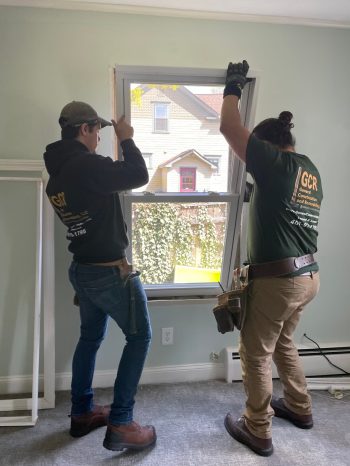
- Drafts near window frames
- Difficulty opening or closing windows
- Condensation between glass panes
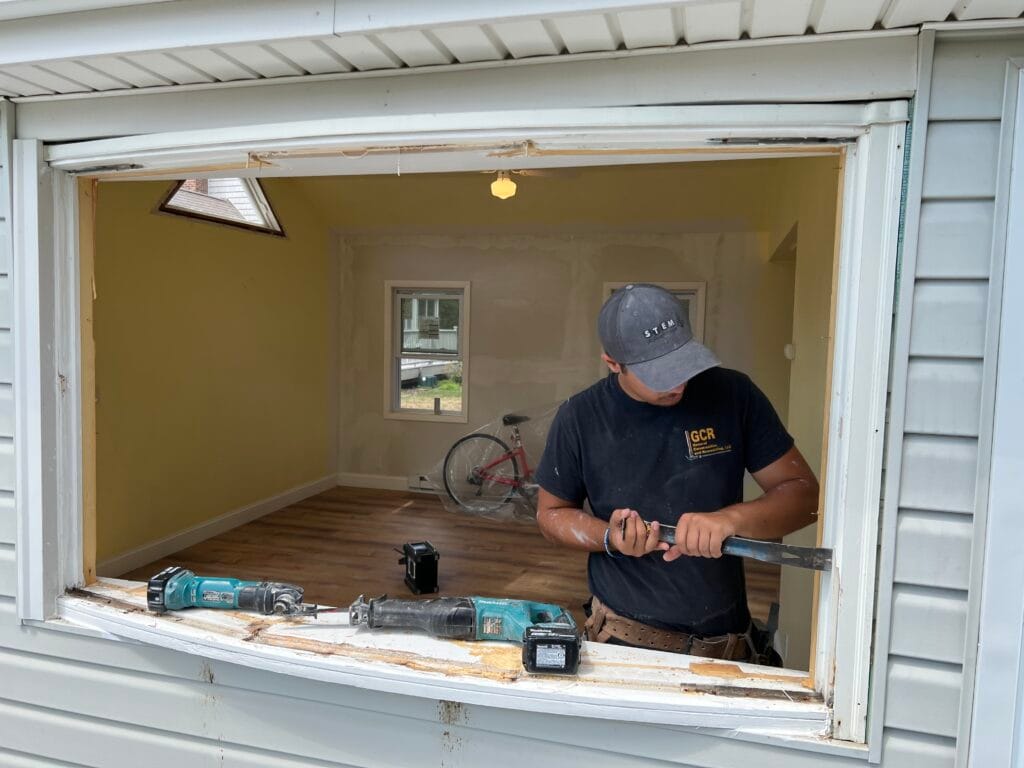
- Visible wood rot or deteriorated trim
- Peeling paint near windows
- Increased heating and cooling costs
- Air leakage during cold Rhode Island winters
Why Proper Window Installation Matters
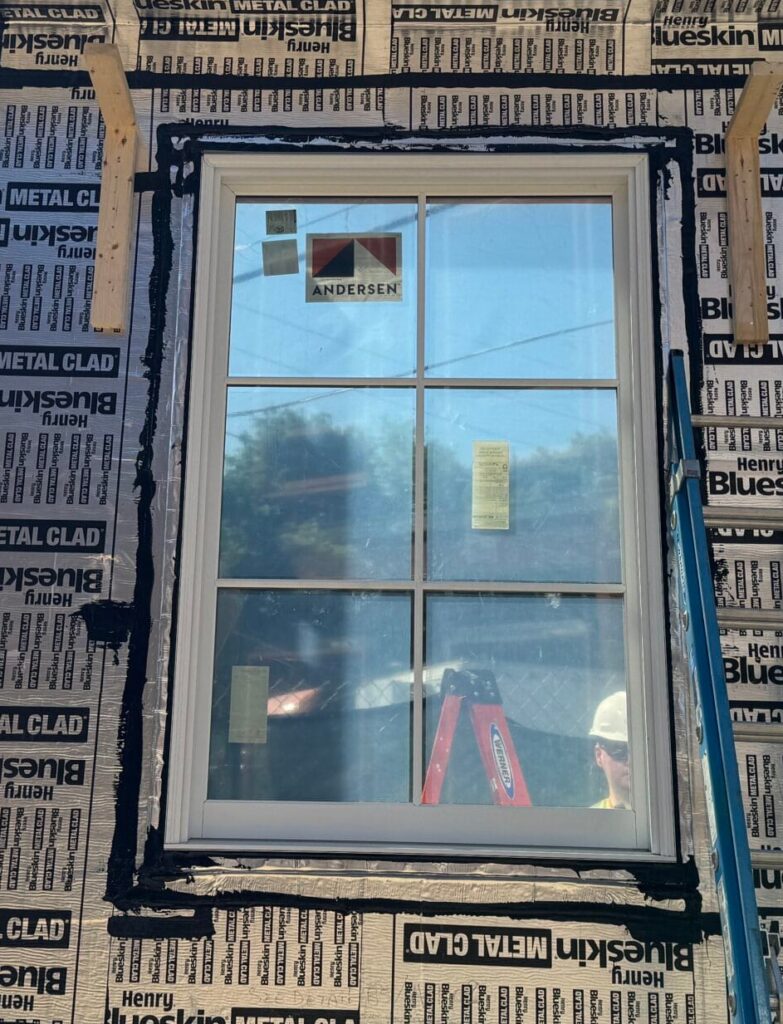
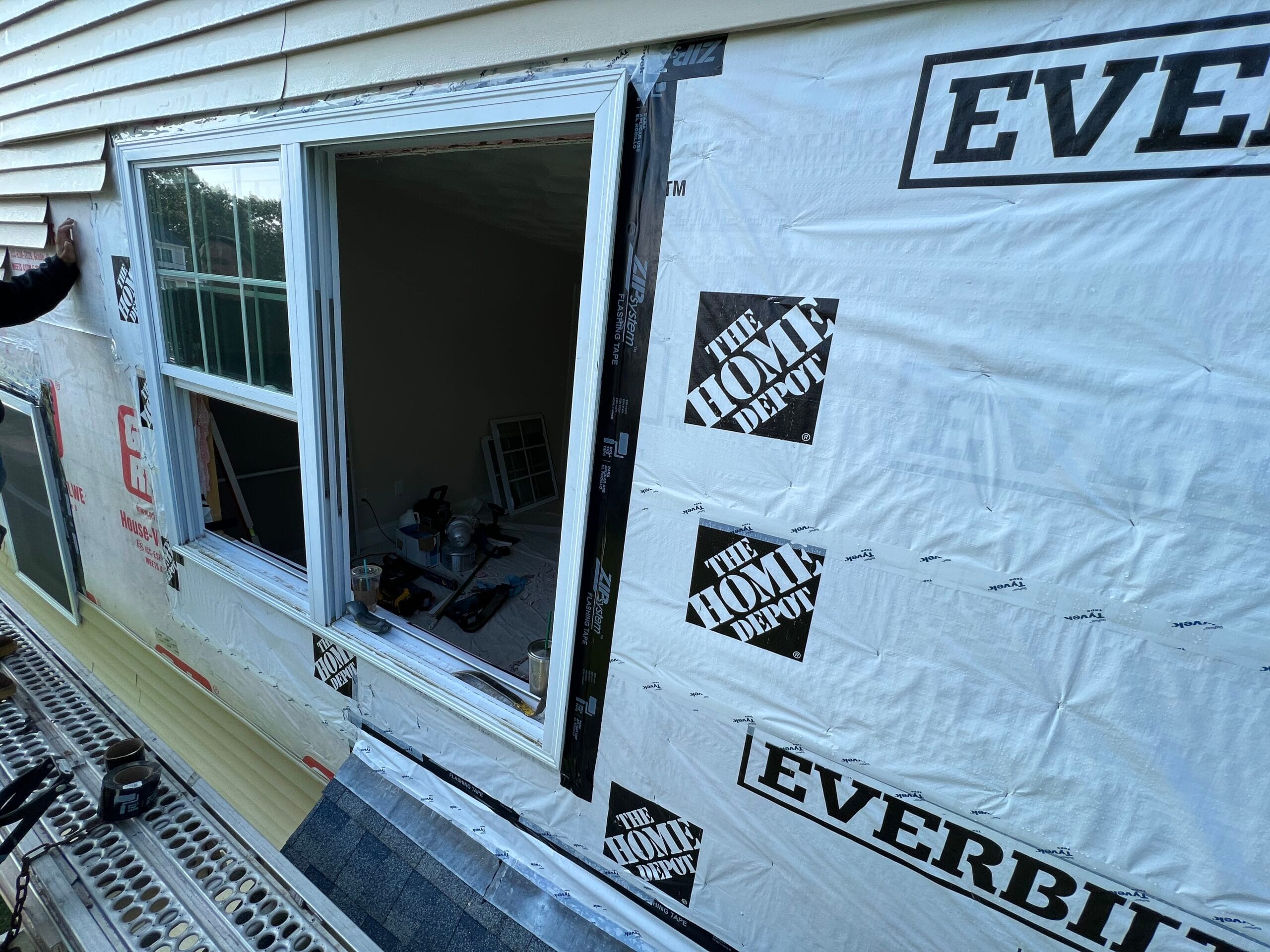
Window replacement is not only about the window unit itself. Proper integration with the surrounding wall assembly is critical to prevent air leakage, water intrusion, premature material deterioration, mold growth, and structural rot. Installation should include proper flashing, air sealing, and continuity with the drainage plane to protect the building enclosure.
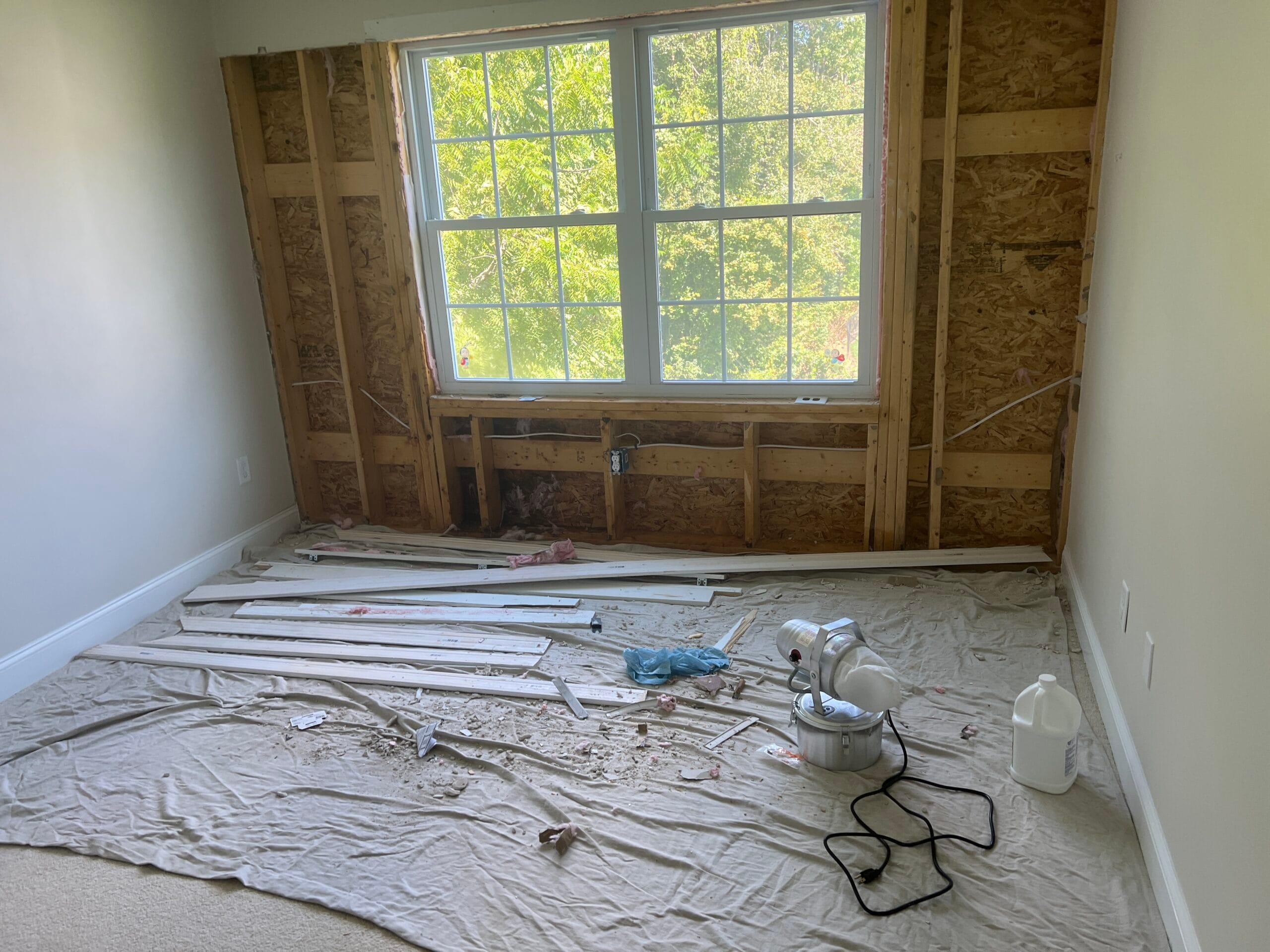
In many cases, concealed moisture damage is not discovered until siding, trim, or interior finishes are removed during replacement.
Hidden Window Leaks Can Take Years to Appear
Many window leaks do not immediately show visible signs of failure. Small amounts of moisture can enter around improperly installed windows and remain hidden within the wall assembly. Over time, repeated exposure to moisture may slowly deteriorate wood framing and sheathing materials.
Because this damage occurs behind finished surfaces, it may take five to ten years before symptoms such as rot, staining, or interior damage become noticeable. Proper window installation methods help reduce the risk of hidden moisture problems and support long-term durability.
Insert Window Replacement vs Full Frame Window Replacement
Insert replacement windows are installed within the existing window frame and may be appropriate when surrounding materials are in good condition, and the existing frame is structurally sound. When properly installed with appropriate air sealing and perimeter insulation, an insert replacement window can achieve comparable air and water performance to a full-frame replacement.
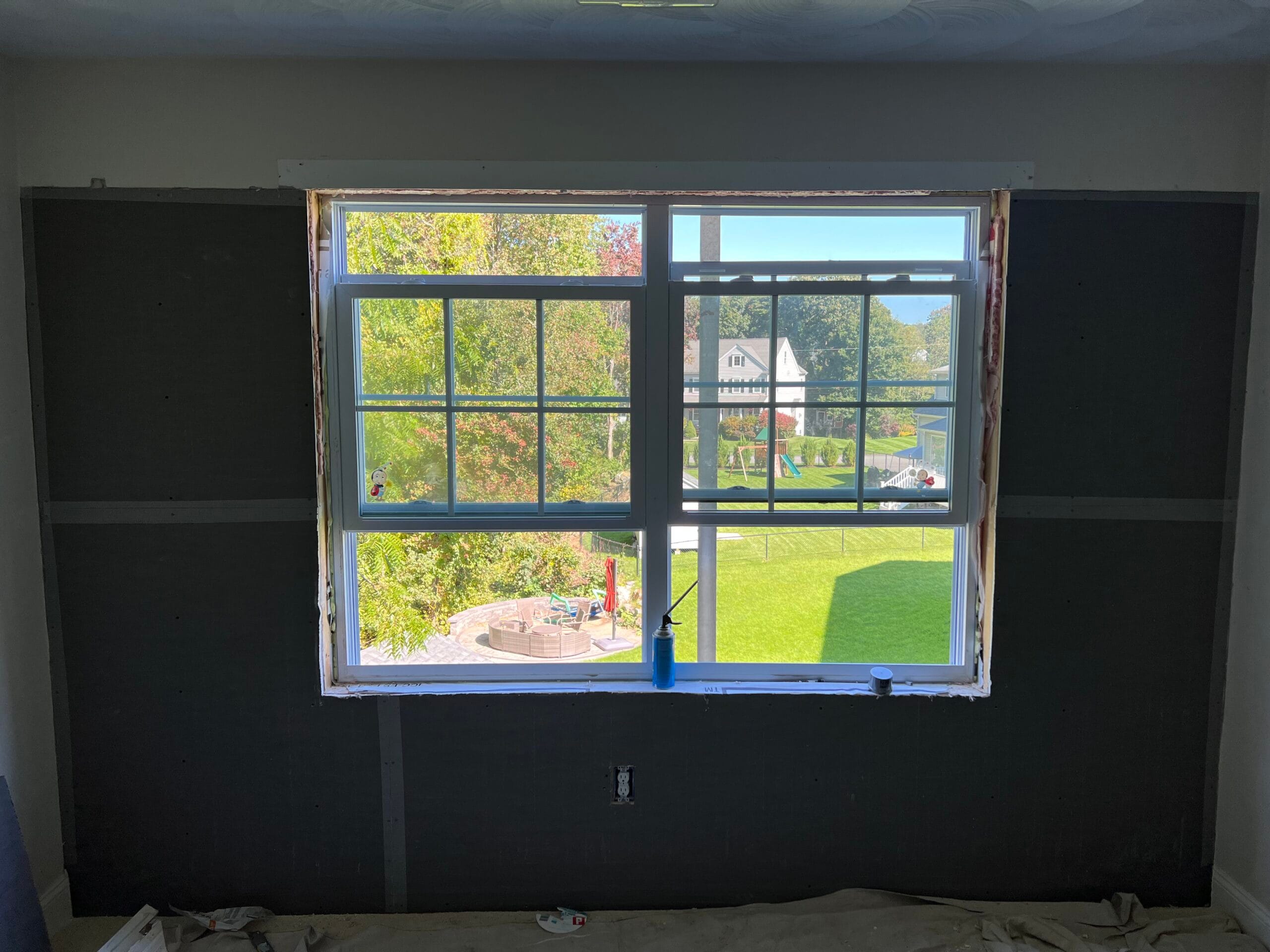
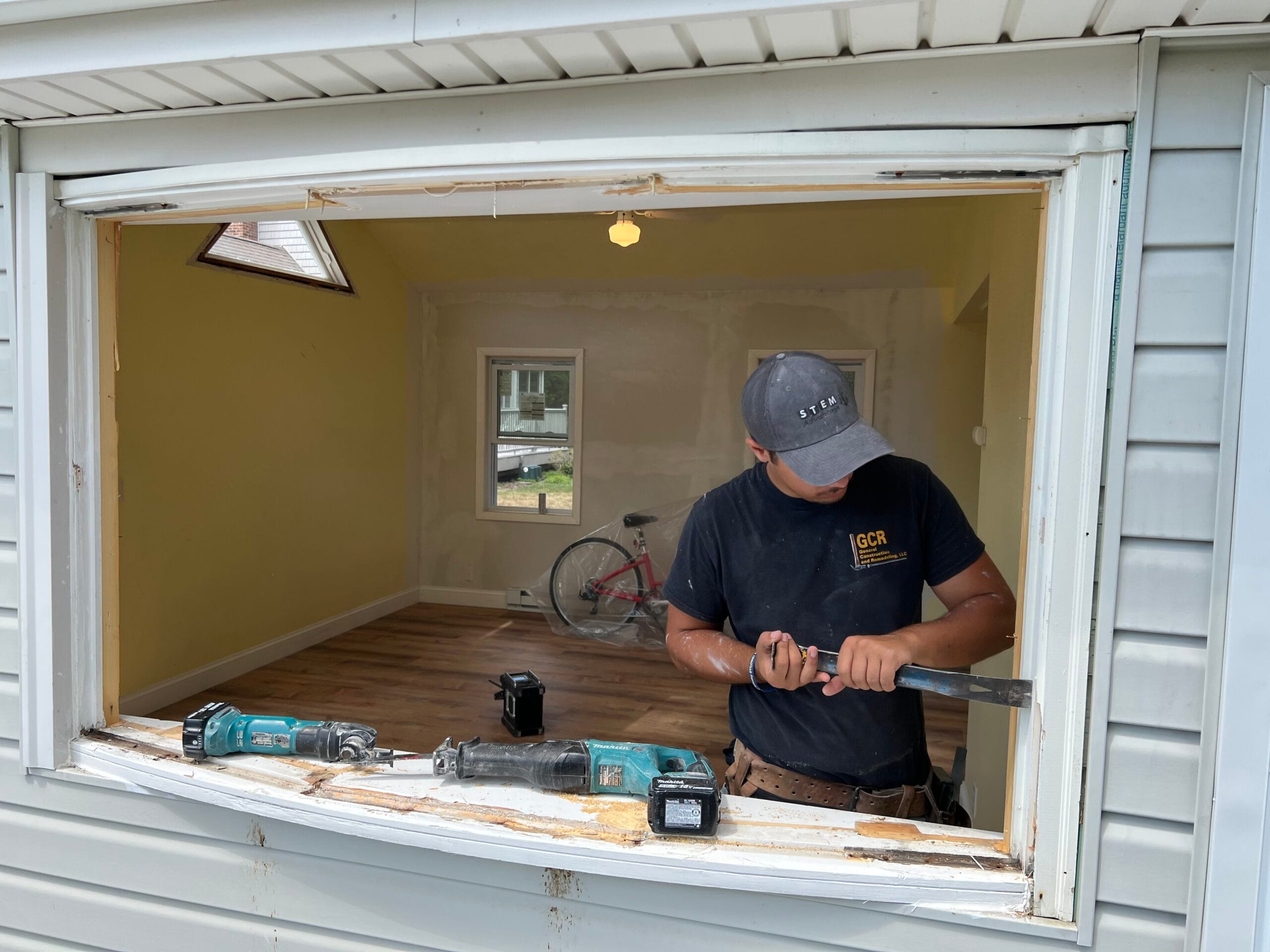
Full-frame replacement, often using a new-construction flanged window, is recommended when deterioration, wood rot, water intrusion, or prior installation deficiencies are present. Full frame replacement allows removal of the existing window and inspection of the rough opening, enabling repairs to damaged framing and sheathing as needed. This approach also allows for proper integration of flashing components, restoration of drainage-plane continuity, and improved alignment of the air barrier, water-resistive barrier, and thermal control layers. Correct sequencing of these control layers is critical to preventing future air leakage, moisture intrusion, and concealed deterioration within the wall assembly.
Evaluation of the existing rough opening condition is often necessary to determine whether concealed moisture damage is present, as deterioration may not be visible until interior finishes or exterior cladding are removed.
In Rhode Island climate zone conditions, full-frame replacement is often recommended when hidden moisture damage, air leakage, or deteriorated flashing conditions are suspected.
Energy Efficiency Benefits of Modern Windows
Modern replacement and new construction windows may incorporate low-E glass coatings, argon gas-filled insulated glazing units, improved weatherstripping systems, solid extruded vinyl welded frames, internal drainage pathways, thermally improved frame materials, and reduced air infiltration performance ratings. These features help improve interior comfort, reduce unwanted air leakage, and lower heating and cooling demands during seasonal temperature changes common in Rhode Island’s climate zone 5 environment.
Properly specified window systems can improve the thermal performance of the building enclosure by reducing conductive heat transfer and limiting uncontrolled air movement through the fenestration assembly.
Modern replacement windows are available in vinyl, fiberglass, wood-clad, and composite frame systems depending on performance goals, maintenance expectations, and budget.
Window Replacement Considerations for Rhode Island Homes
Homes in Rhode Island experience wind-driven rain exposure, temperature swings, and seasonal humidity variation. Proper window selection and installation should consider thermal performance (U-factor ratings), water management detailing, air-sealing continuity, compatibility with existing wall assemblies, and long-term durability in coastal environments.
Conclusion
Window replacement is an important investment in a home’s long-term performance. Proper evaluation of existing conditions, correct installation methods, and appropriate material selection help improve interior comfort, increase energy efficiency, and reduce the risk of water intrusion and concealed moisture damage.
Because many window-related issues can develop gradually and remain hidden for years, attention to flashing integration, air-sealing continuity, and drainage detailing is critical to supporting the long-term durability of the surrounding wall assembly. Working with an experienced contractor familiar with building envelope performance reduces the likelihood of future deterioration and ensures the replacement window system performs as intended.
General Construction and Remodeling provides window replacement and installation services throughout Rhode Island with a focus on long-term durability, waterproofing integration, air sealing performance, and proper building envelope detailing.