Did you know your basement is more prone to water damage than any other part of the house? It’s true, and if you leave it unchecked, the repair costs can be higher than you think. Building a basement is important, but so is waterproofing it. I’m sharing this based on personal experience. If you’re dealing with basement water leakage or mold issues, now is the perfect time to explore solutions for waterproofing inside the basement. Take it from me; don’t ignore that “little” dampness in your basement. Small problems can quickly turn into big, expensive ones.
Signs Your Basement Needs Attention
Credit: waterproof.com
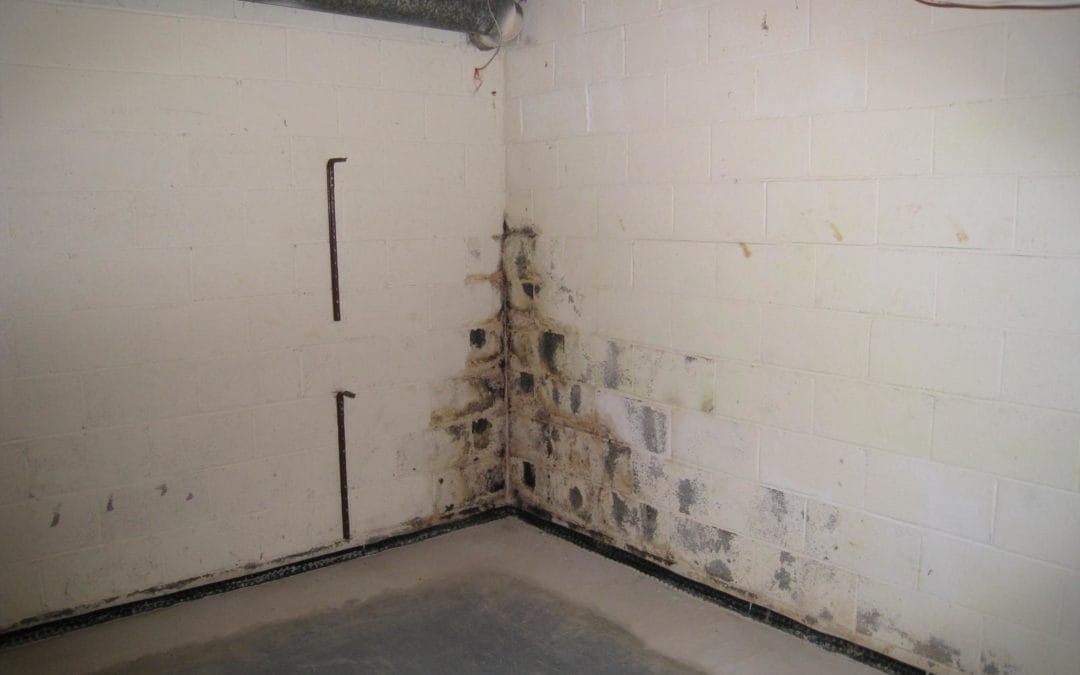
Sometimes, your basement is screaming “damage alert,” but all you do is ignore it. Before you even think about fixes, watch for the warning signs:
- Musty odors that never go away
- Damp or cold walls and floors
- Peeling paint or bubbling wallpaper
- White chalky marks on walls
- Mold or mildew growth
- Water stains around windows or corners
If you notice these, your home may need waterproofing in the basement areas sooner rather than later.
What Causes Basement Water Problems?
Damage doesn’t happen overnight. Water doesn’t just show up for no reason. There are some sneaky culprits behind this damage. Common causes include:
- Poor drainage around the foundation
- Foundation cracks
- High groundwater levels
- Hydrostatic pressure pushing water through walls
- Leaky plumbing
Without addressing the root cause, even the best interior basement waterproofing fix won’t last.
Does Your Basement Really Need Waterproofing?
If your basement is a little damp and you think it’s the disaster knocking on your door, you might be wrong. Sometimes, it’s just humidity. Here’s how you can check:
- Tape plastic wrap to the wall. If moisture appears behind it, you may need to waterproof the basement walls from the inside.
- Check after heavy rain. Puddles or stains mean infiltration.
- Look for seasonal dampness. If it happens only in spring, it’s likely rain or snow melt.
These tests help you decide whether you just need a dehumidifier or a full waterproof basement construction solution.
Whatever solution you are looking for, we can help you with that. At General Construction and Remodeling, our pros can help you save your basement by using high-quality materials. So, explore our waterproofing inside basement services and enjoy a safe home.
Common Water Entry Points
Sometimes, you need to know where the water is entering from. It might help you with damage control beforehand. Water usually sneaks in through:
- Cracks in walls or floors
- Window wells
- Wall-floor joints
- Gaps around pipes or utility lines
- Poorly sealed doors
Knowing these helps in choosing between waterproofing basement floor systems or wall-based solutions.
Exterior Waterproofing Techniques
Credit: accuratebasementrepair.com
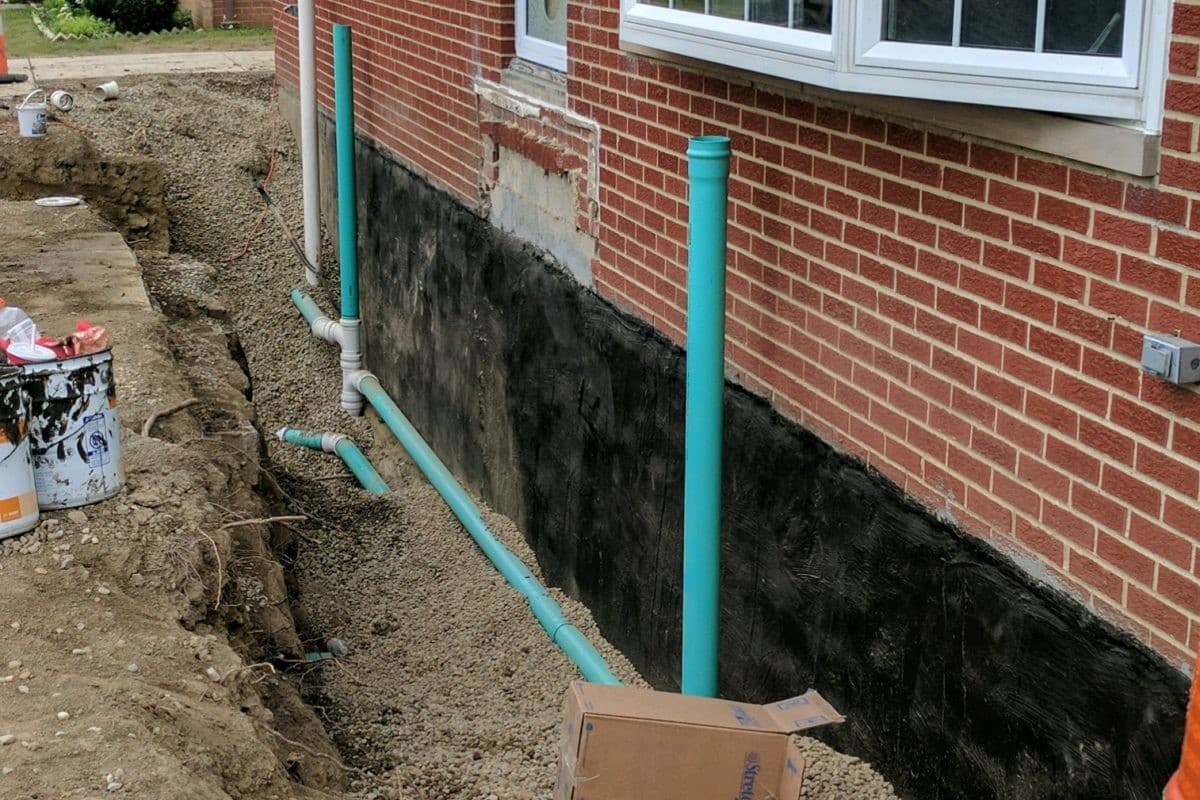
Exterior methods stop water before it reaches your basement:
- Sloping the yard away from the home
- Extending downspouts further from the foundation
- Installing French drains
- Applying an exterior basement waterproofing membrane
Exterior fixes are highly effective, but often costlier and may involve excavation.
Interior Waterproofing Techniques
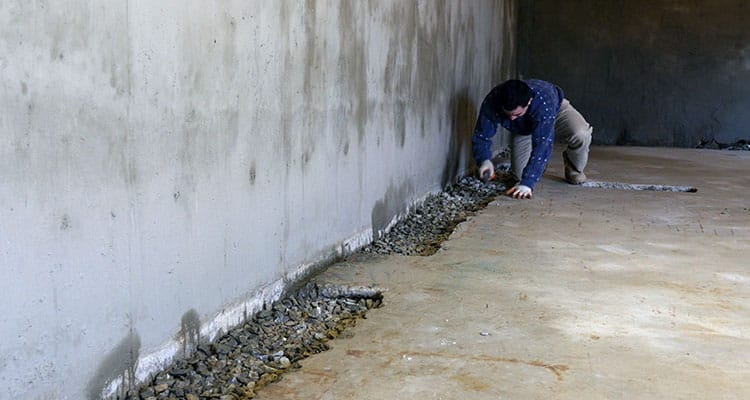
Credit: americandry.com
Interior options manage water once it enters. Common solutions include:
- Waterproof basement paint for small cracks and mild seepage
- Interior drainage systems that redirect water to a sump pump
- Sump pumps to actively remove water
- Waterproofing basement floor and wall sealants
- Vapor barriers to block moisture
These interior basement waterproofing methods are often cheaper, but for severe issues, they work best when combined with exterior solutions.
Additional Measures to Keep Basements Dry
- Run a dehumidifier
- Insulate cold pipes
- Clean gutters and downspouts often
- Add waterproof window well covers
- Fix plumbing leaks quickly
Together with waterproof basement paint or membranes, these measures keep the space healthier.
DIY vs Professional Waterproofing
So, how to waterproof your basement? It depends:
- DIY is best for: small cracks, applying sealant, using a dehumidifier, or extending downspouts.
- Hire a pro for: foundation repairs, sump pumps, drainage systems, or large leaks.
Pros can ensure your home meets modern waterproof basement construction standards and may offer warranties. This is where we can help you. Our professional services make sure your basement is free from leaks and dampness. So, get in touch with us now for a safe basement.
How Much Does Basement Waterproofing Cost?
Factors like basement size, severity of leaks, and labor affect waterproof basement flooring cost, waterproof basement costs, and the cost to waterproof a basement fully. If you live in areas prone to flooding, like waterproof basement Rhode Island services, costs can be higher, but so is the value of prevention.
Last Words
So, folks, what did we learn? Basements don’t have to be damp or musty. By spotting the signs early, finding the entry points, and using the right interior basement waterproofing or exterior techniques, you can enjoy a dry, comfortable space.
Frequently Asked Questions
How do I know if my basement needs waterproofing?
Look for signs like musty odors, damp walls, peeling paint, white chalky residue, or mold. Even small water stains can mean your basement needs attention.
What is the best method for waterproofing basement walls from the inside?
For minor issues, waterproof basement paint or sealants can help. For bigger problems, interior drainage systems with a sump pump are more reliable.
How much does it cost to fully waterproof a basement?
The cost to fully waterproof a basement depends on the method. Small fixes might cost a few hundred dollars, while complete systems can range from $5,000 to $15,000 or more.
Can I waterproof my basement myself?
Yes, you can handle small jobs like applying sealant or extending downspouts. But for serious leaks or flooding, professional interior basement waterproofing is recommended.
What are the benefits of waterproofing my basement?
It prevents mold growth, protects your foundation, improves air quality, and adds usable living space. Plus, a dry, waterproof basement increases your home’s value.