If you’re anything like me, home renovation sounds like a dream. The idea of transforming a space feels exciting, almost like a fantasy. But here’s the catch: it’s also highly technical and often requires permits before you can start a remodeling project. Honestly, I wasn’t aware of this when I first decided to renovate my space. Once I started digging into the process, I realized there’s a lot more to it than picking paint colors or hiring a contractor. That’s why I felt the need to share my experience with my online community. So, if any of you are planning a remodeling project, here’s something important: you need to understand the home renovation laws that apply. They can save you from delays, extra costs, and legal headaches. Let’s talk about each one of them.
Do You Need a Permit for Renovation?
One of the first questions homeowners ask is: Do I really need a permit for this project?
The short answer: usually yes. Permits are meant to make sure renovations are safe, meet building codes, and comply with construction laws. Think of them as a way to protect both you and your investment.
If you’re planning small cosmetic changes like painting or replacing cabinets, you usually don’t need one. But bigger jobs, like moving walls, installing plumbing, or adding new structures, almost always require approval under home renovation laws. And we are explaining each for your ease.
Common Types of Renovation Permits
Honestly, renovation permits are a vast category. The type you need depends on the work you’re doing. Here are the most common ones:
Building Permit

Credit: andersonlegalnc.com
Easiest one, and that’s how we can define it.
Covers structural work like adding rooms, knocking down walls, or building decks.
Ensures compliance with new construction laws and safety codes.
Electrical Permit
I didn’t know about this one, but here we go.
Needed if you’re adding wiring, upgrading a panel, or installing major appliances.
Plumbing Permit
True, it’s not just about plumbing; it’s about the massive changes.
Covers new pipes, water heaters, or moving fixtures.
Mechanical Permit

Credit: portland.gov
As much as HVAC systems are to be installed, you have to obtain a permit as well for smooth and legal functioning.
Applies to HVAC systems and large-scale heating/cooling work.
Special Permits
Now, there are some areas that ask for some other permits as well. It simply goes like:
Some areas require permits for fencing, roofing, or even landscaping changes.
Tip: Your home renovation contractors often handle permits, but always confirm to avoid surprises.
Local Renovation Laws You Should Know
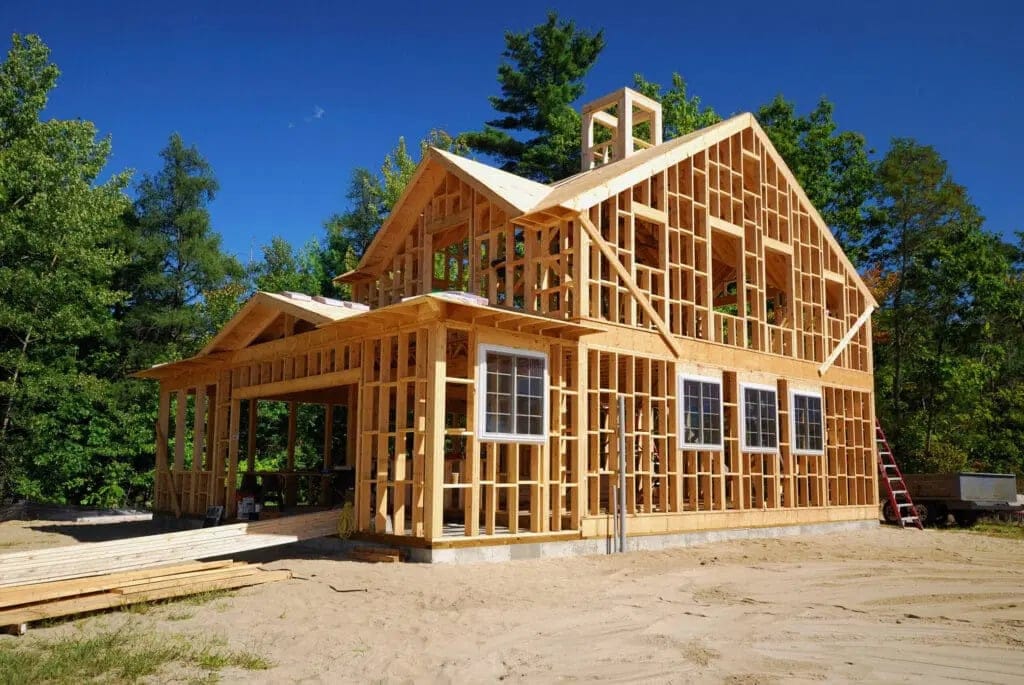
Credit: thisoldhouse.com
Every city, town, or county has its own rules. For example, Rhode Island housing laws may differ from those in neighboring states.
Here’s what to keep in mind about local home improvement laws in 2025:
- Zoning laws: Dictate what you can build, and where.
- Historic districts: You may need approval to change the exterior.
- Neighborhood rules: HOAs often regulate design and noise.
- Environmental laws: Increasingly strict rules on trees, water use, and energy efficiency.
Understanding new housing laws is key if your search looks like home renovations near me or working with a home renovation architect to draft new plans.
Now that you know the laws, I know it is still complicated. That’s where we can help you. At General Construction and Remodeling, we will make sure that your renovation project is taken care of with all the permit laws. So, get in touch with us, it’s time to get stress-free.
Other Legal Requirements to Watch Out For
Permits and zoning are just part of the picture. Other legalities include:
Contracts with Contractors
Always have a written contract for home renovation and repair work.
Insurance Requirements
Verify your home renovation contractors carry liability insurance.
Licensing
Some states require contractors to be licensed. Always check.
Inspections
Work often requires official checks to meet home renovation laws.
Taxes and Fees
Renovations can affect your property taxes, something to include in your home renovation budget.
So, it all comes down to that home renovations can be exciting, but they’re also a legal process. From permits to inspections, home renovation laws, and even new laws on buying a house can affect your project.
The key takeaway? Do it by the book. That means talking to your city about clearing house new law updates, working with a trusted home renovation lawyer if needed, and budgeting smartly.
Frequently Asked Questions
Still confused? Let’s have a look at a roundup of home renovation laws.
Do all renovations require permits?
No. Cosmetic updates like painting don’t. But most structural, plumbing, and electrical work is under home renovation laws.
How much do permits cost?
Permit fees vary. Factor them into your home renovation budget to avoid surprises.
Can I apply for permits myself?
Yes, but many rely on home renovation contractors to handle the paperwork.
What happens if I skip permits?
You could face fines, delays, or be forced to undo work. It might also hurt resale, especially under the new housing laws of 2025.
Do I need a lawyer?
For complex projects, consulting a home renovation lawyer can help you navigate construction laws and avoid legal trouble.